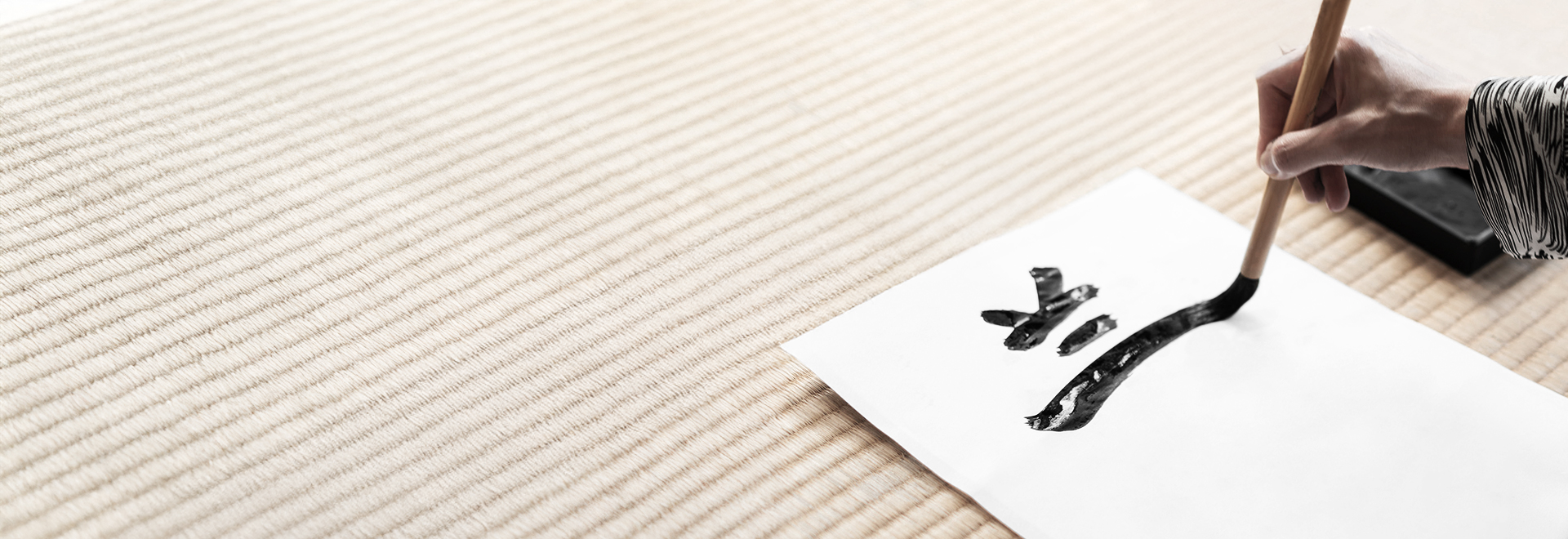
After handwriting practice, what’s next? The key lies in how to further develop a child’s writing ability.
We all know handwriting practice is a big part of learning Chinese. It helps kids get familiar with stroke order, trains their muscle memory, and lays the groundwork for strong reading and writing skills.
But here’s the part a lot of us are struggling with. Once our kids switch from writing on paper to typing on screens, what happens to all that progress?
The Digital Shift That’s Holding Kids Back
As children grow up, their daily life becomes more digital. They chat with friends on their phones, do homework on tablets, and type a lot more than they write by hand.
But the tools they’re using to type, like pinyin keyboards, don’t always help them remember what they’ve learned from handwriting.
These systems focus on speed, not structure. Kids can type the right word without understanding how it’s built. Slowly, the basics they worked so hard to learn (stroke order, shape, spacing) start to fade. And while they might still pass tests, their writing skills start to weaken.
What If Typing Could Reinforce Writing Instead of Replacing It?
That’s the thinking behind our input method.
We designed it to keep handwriting and typing connected, not separate.
Instead of relying only on phonetic input like pinyin, our tool helps children type in a way that mirrors what they learned with pen and paper. It encourages them to notice how characters are structured and how strokes come together.
Typing That Builds on What They Already Know
With our system, every time your child types, they’re reinforcing the skills they picked up from handwriting practice. It doesn’t feel like homework, but it gives them little reminders that keep their knowledge fresh.
Rather than replacing traditional learning, this approach supports it. Typing becomes another way to practice, just more naturally and in a way that fits into their day.
Supporting Writing Skills Without Adding More Work
Kids are growing up in a world that’s only getting more digital. We can’t expect them to rely only on handwriting anymore. But that doesn’t mean we have to give up on those skills either.
What we need is a better link between the old and the new. A way for digital tools to strengthen what our kids have already learned, not undo it.
That’s exactly what our input method does. It gives your child the support they need to carry their Chinese writing skills into the digital age, whether they’re holding a pencil or tapping on a screen.