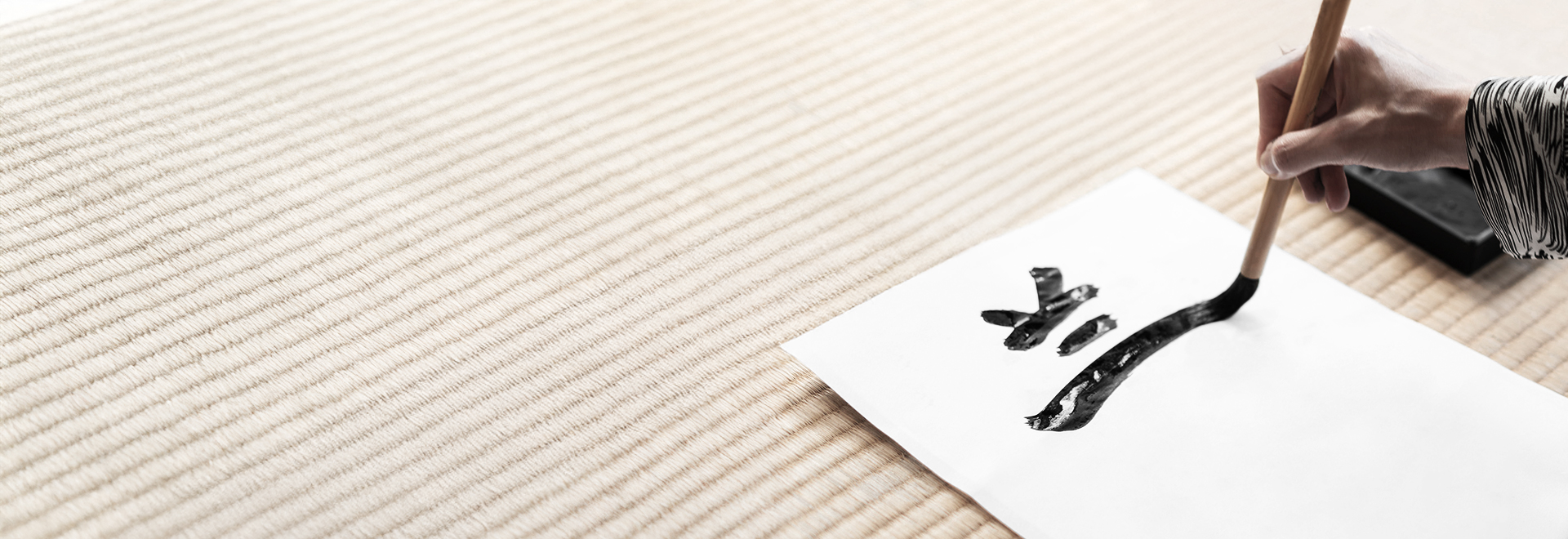
When Your Child Struggles with Chinese Writing, It’s Not About Talent. It’s About the Method
Have you ever watched your child carefully copy Chinese characters, stroke by stroke, only to find that they still can’t remember them a few days later? Even after spending time practicing, the words just don’t seem to stick.
Many parents start to wonder:
“Is my child just not good at languages?”
“Is he not trying hard enough?”
In reality, this is a very common situation. And the problem usually isn’t with your child’s ability, it’s with how they’re being taught.
Copying Isn’t Remembering: Real Memory Needs Real Understanding
Most children are told to copy characters over and over again. But simply repeating the strokes and shapes doesn’t help them truly remember a character. Why? Because memory relies on logic and connection, not just mechanical repetition.
If a child doesn’t know why a character looks the way it does, or what its parts mean, they end up memorizing blindly—and this kind of memory doesn’t last. It’s easy to forget, and easy to confuse.
The Real Solution: Break Down + Understand + Apply
That’s exactly the problem we set out to solve with our input method.
With this system, children naturally encounter the internal structure of characters as they type. They begin to understand which parts are radicals, which are components, and how they fit together. This builds true understanding and makes the memory stick.It’s not rote memorization—it’s about seeing how the character works, and using it in context. It’s the shift from just knowing a character exists to actually mastering how to use it.
The system also gives light structural guidance during typing, helping kids notice character logic instead of just copying what they see.
Turning Chinese Practice Into Something Practical, Daily, and Fun
The best part? This all happens during something your child is already doing every day—typing. Whether they’re chatting, searching, or writing homework, they’re reinforcing their memory and their understanding of Chinese structure with every keystroke.
Compared to sitting down for extra handwriting drills, this method is more natural, more sustainable, and far less stressful. It doesn’t require special study time, and it doesn’t make Chinese feel like a burden.
It’s just part of daily life—learning by doing.