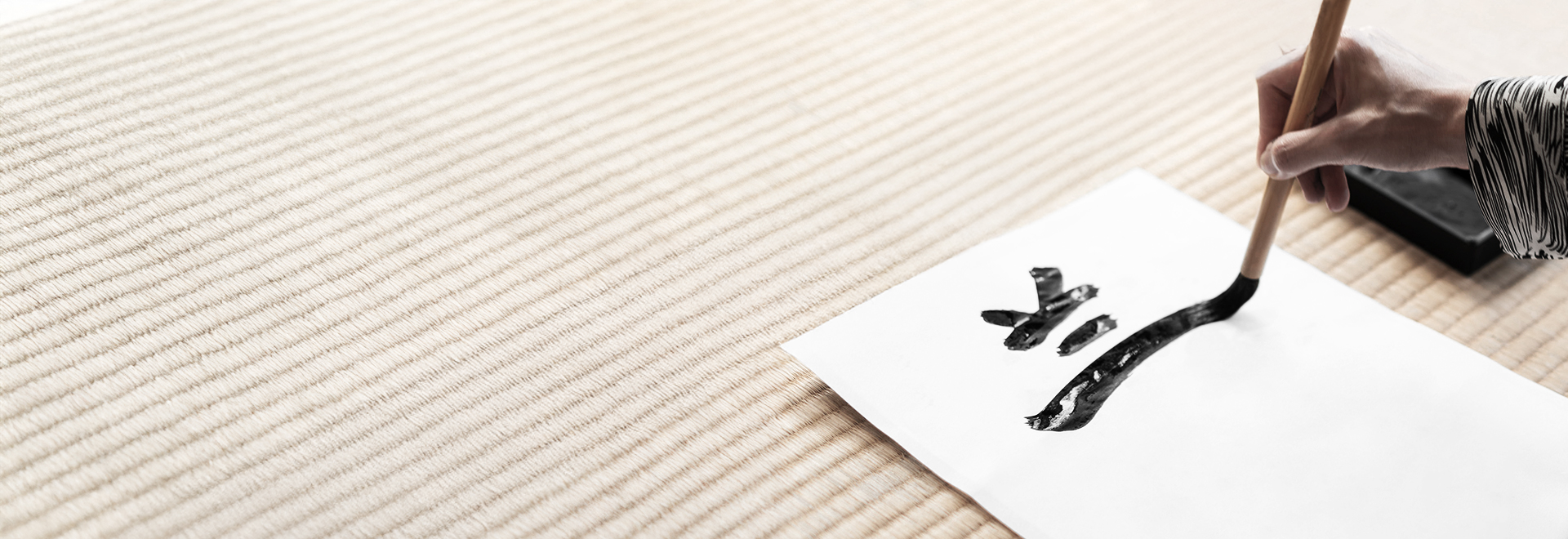
In the Digital Age, Why Is Stroke Input Method More Aligned With Human Writing Instincts?
In today’s digital world, text input methods emerge one after another, from pinyin to voice input to stroke input, each with its own unique advantages. However, the stroke input method is undoubtedly the most in line with our human writing instincts. This is not only because it resembles how we write on a daily basis but also provides a more natural and efficient typing experience.
The Instinctive Connection Between Stroke Input and Handwriting
Writing Chinese characters is a fundamental skill we learn from childhood, with each character’s structure and stroke order deeply ingrained in our memory. Unlike phonetic or pinyin-based methods, stroke input relies on the sequence of strokes to compose characters—directly corresponding to the physical act of handwriting. This approach allows us to effortlessly recall character forms, maintaining an intuitive understanding of Chinese characters.
Seamless Integration with Modern Technology
As technology advances, smartphones and computers have become the primary tools for typing and writing. Stringboard digitizes stroke structures to create a revolutionary input method that allows users to “type what they can write.” Stringboard adapts to users’ typing habits, enhancing both accuracy and efficiency. By preserving the intuitive nature of handwriting while seamlessly integrating with modern digital technology, it delivers an exceptionally smooth user experience.
The Efficiency of Stroke Input
Compared to pinyin input, stroke input eliminates pronunciation-related errors and enables faster character retrieval. Users need only remember the stroke order to input characters swiftly. This method is particularly user-friendly for language learners and older generations, removing the need to memorize complex pinyin spellings.
Simplifying Chinese Input
Stringboard eliminates complex character codes and removes the need for pinyin. Users simply follow natural stroke order to type – staying true to our original vision:
“If you can write it, you can type it.”