The History and Development of Chinese Characters
As one of the world’s oldest continuously used writing systems, Chinese characters carry profound historical and cultural significance. From their origins as pictographs to modern simplified forms, Chinese characters have undergone a long evolutionary process, becoming a distinctive symbol of Chinese culture through their unique structure and expressive power. This article explores the origins and development of Chinese characters, along with some amusing linguistic anecdotes.
The Origin and Evolution of Chinese Characters
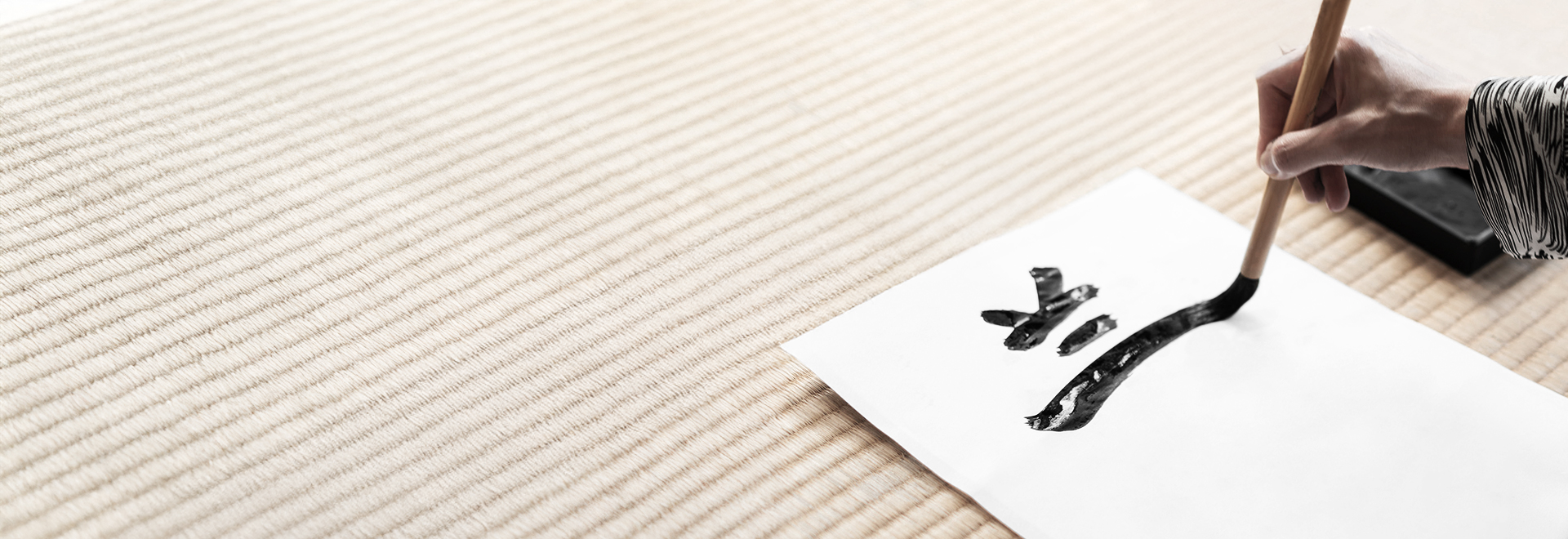
Over time, Chinese characters evolved from oracle bone script to bronze script, large seal script, and small seal script. During the Qin Dynasty, small seal script was standardized as the unified writing system, establishing the foundational structure of Chinese characters. By the Han Dynasty, clerical script replaced small seal script as the dominant form, featuring more simplified and straight strokes. Later, regular script, running script, and cursive script emerged, showcasing the diversity of Chinese calligraphic art.
Modern Chinese characters are divided into two major systems: traditional and simplified. Traditional characters retain more historical structural elements, while simplified characters were introduced in modern times to improve writing efficiency. These two forms are used in different regions, each with its own distinct characteristics.
Humorous Anecdotes in Language
Language often contains amusing quirks, particularly in place names and word usage. For example, in Hong Kong, “Yau Ma Tei” (油麻地) is a well-known district, but one might also encounter the variant “油蔴地” with the grass radical (艹). Research shows that “油蔴地” was the more commonly used form in the past. However, since “蔴” and “麻” are interchangeable with the same pronunciation, the simpler form “油麻地” was adopted when the MTR station was named, and this spelling has since become the standard.
Another amusing example comes from Cantonese expressions. For instance, “得閒” (dak1 haan4) means “free” or “available” in Cantonese, but a direct translation into Mandarin might confuse or even mislead listeners. These linguistic phenomena highlight the diversity of regional cultures and add liveliness and humor to language use.
Modern Applications of Chinese Characters
In the digital age, Chinese characters are no longer confined to pen and paper but are widely used in keyboard input and digital platforms. The development of various input methods has made typing Chinese characters faster and more efficient. For example, some input systems support Cantonese mode, allowing users to input characters more flexibly. Features such as traditional-simplified switching and common character suggestions further enhance convenience and accuracy.
Conclusion
The evolution of Chinese characters—from oracle bone script to modern digital input—reflects the inheritance and innovation of Chinese culture. Meanwhile, linguistic humor showcases the flexibility and fun of written language. Whether exploring the history of Chinese characters or appreciating the humor in language, these aspects deepen our appreciation for Chinese characters as a unique cultural treasure.