


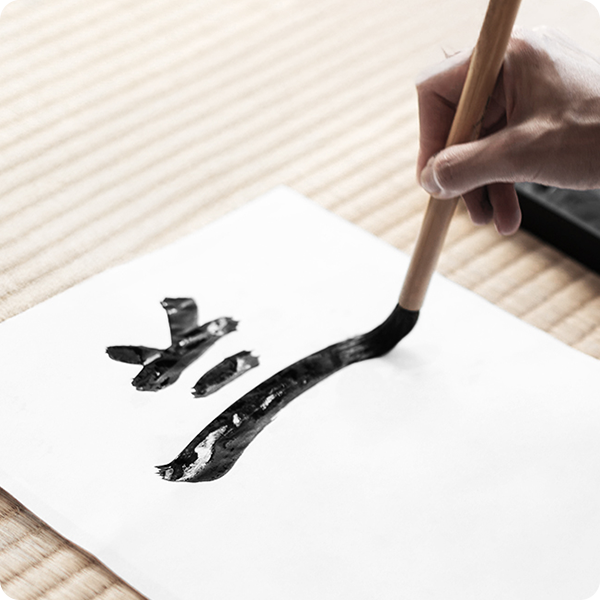
Stroke Order Mistakes Are Easy to Miss, But Even Easier to Prevent
A Low-Stress Way to Build Better Writing Habits In the journey of learning to write Chinese, one detail often gets overlooked, stroke order. But while it may seem minor, it has a big impact. Many children make mistakes in stroke order
Radicals Don’t Have to Be Boring: Here’s a Natural Way for Kids to Learn Them
Radicals are the small parts that make up bigger characters. When kids understand them, they start to see patterns, recognize characters faster, and remember words more easily. But let’s face it, the way radicals are usually taught can feel dry
Writing More Doesn’t Always Mean Writing Better: Here’s What Really Helps
We all want our kids to be confident in Chinese, especially when it comes to writing. So it's natural to think the more they write, the better they’ll get. That’s why many of us encourage our children to copy characters
Turn Screen Time into Chinese Writing Practice
Let’s be honest, kids are glued to their phones these days. Whether they're texting friends, watching YouTube, or playing games, screens are part of daily life now. Instead of fighting it, what if we could guide it? What if screen
Loanwords in Hong Kong & Cantonese: A Cultural Linguistic Blend
In Hong Kong and Cantonese-speaking communities, you’ll often hear playful hybrid phrases like "check吓先" (let me check first), "畀我print張file" (let me print the file), or "佢好charm啊" (he’s so charming). These are classic loanwords—a linguistic phenomenon deeply woven into local culture,
The Origins of Cantonese Characters: Local Wisdom and Cultural Imprints in Language
Cantonese, as a widely spoken dialect in Guangdong, Hong Kong, Macau, and overseas Chinese communities, boasts a rich and unique vocabulary system. In written Cantonese, we often encounter "Cantonese characters" rarely seen in Mandarin or standard Chinese, such as "啱"
The Magic of Cantonese Sentence-Final Particles: Where Tone Meets Emotion
What makes Cantonese so vivid and expressive? A big part lies in its unique sentence-final particles—those tiny but mighty words that transform plain statements into emotionally charged conversations. Particles like "啦," "呀," "喎," "囉," and "啩" don’t just end sentences;
How Global Chinese Communities Stay Connected to Their Mother Tongue with Stringboard
As globalization accelerates, many Chinese individuals have settled overseas. However, long-term immersion in local languages often weakens their ability to write in Chinese, especially among younger generations. Stringboard, an innovative input method designed around Chinese stroke order, helps Chinese communities
Digitalization and Handwriting: Preserving Chinese Character Skills in the Tech Era
With technological advancements, digital language tools—such as Pinyin input, voice typing, and AI autocomplete—have made communication more convenient. However, this has also led to declining handwriting skills, with many experiencing "character amnesia" (提笔忘字), impacting language proficiency and cultural heritage. Digital Input
Spoken vs. Written Cantonese: One Language, Two Worlds?
Cantonese is a tonal, expressive language with a strong sense of rhythm and emotion. In daily use, however, it displays two distinct forms: spoken and written. Whether in casual conversations, social media, formal documents, or news reports, Cantonese shifts style