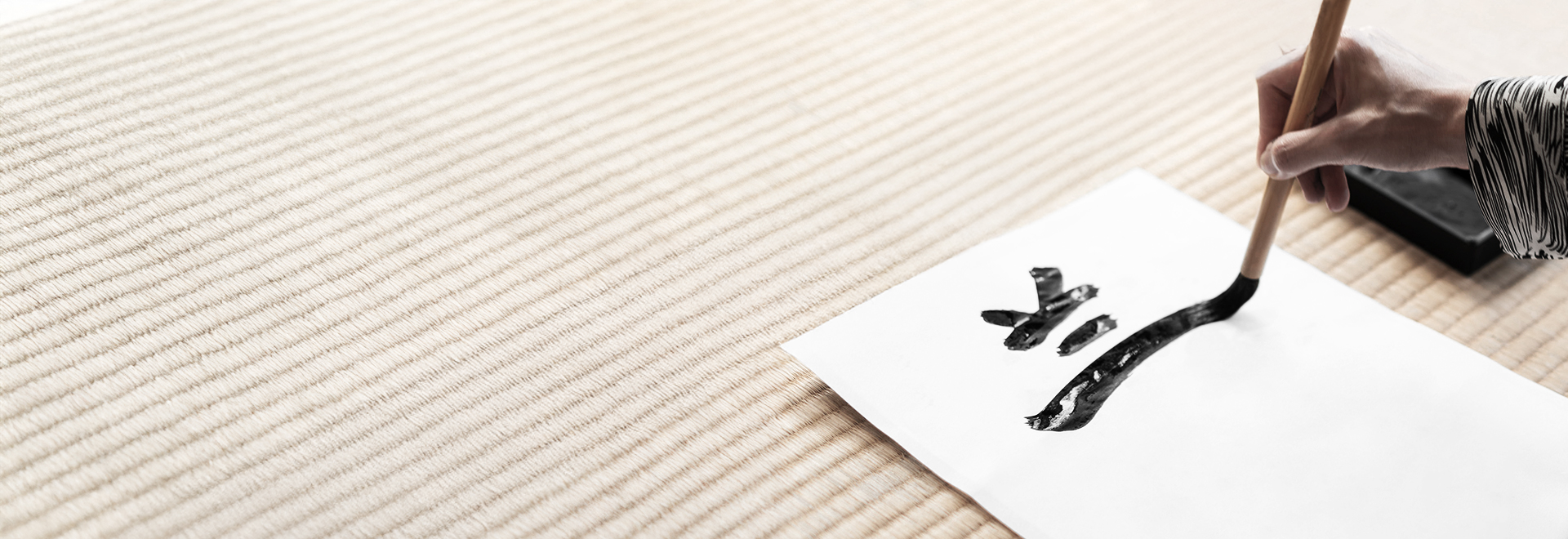
Do You Suffer From “Character Amnesia”? Stringboard Helps You Rediscover the Joy of Writing!
With the widespread adoption of digital technology, we increasingly rely on Pinyin input methods for typing, yet this has gradually distanced us from handwriting Chinese characters, leading to the phenomenon of “character amnesia” (提笔忘字). Have you ever suddenly forgotten how to write a commonly used character while typing or felt unfamiliar when needing to write by hand? Stringboard is the perfect solution to effortlessly rediscover the joy of writing!
How Does Stroke Input Help You Rediscover the Joy of Writing?
- Focus on Character Form to Enhance Memory
Stringboard’s stroke input requires you to type following the sequence of “horizontal, vertical,撇,捺” strokes, reinforcing your memory of Chinese character structures and turning the typing process into writing practice. - Reduce “Character Amnesia”
Stroke input helps you remember the stroke order of each character, deepening your understanding of character forms through continuous use and preventing you from forgetting how to write them. - Learn While You Use: Stroke Input Helps You Improve Continuously
Stroke input methods strengthen your memory of characters with every use, allowing you to maintain sensitivity to handwriting even while typing digitally. This simultaneous learning and practice approach helps you steadily improve your writing skills and avoid future instances of “character amnesia.”
Long-Term Benefits: Maintain Writing Fluency
With consistent use of stroke input methods, users gradually regain familiarity with handwriting and maintain the fluidity of their written characters. This is particularly beneficial for older adults, students, calligraphy enthusiasts, and other groups.
Preserving the Feeling of Writing in the Digital Age
Stringboard is a stroke-based input method that also incorporates radical/component functionality. As a result, using Stringboard to type is equivalent to practicing handwriting.